

Traveling should be exciting. You should be thinking about where you’re going, what you’ll see, and where you’re going to eat—not worrying about a loose bracket or a missing Invisalign tray. Fortunately, traveling with braces or Invisalign is usually much easier than people expect. You just need to plan for a few situations that normally do not come up when you are at home.
Whether you’re flying out of Fort Lauderdale-Hollywood International Airport, leaving on a cruise from Port Everglades, driving through Florida, or taking an international vacation, your orthodontic treatment can travel with you. A small orthodontic travel kit, a little extra attention to your routine, and a plan for minor problems can help you enjoy your trip without setting back your smile.
The most important rule is simple: keep your essential supplies where you can reach them. Do not pack everything inside a checked suitcase or leave it at the hotel when you head out for the day. Your toothbrush, wax, aligner case, and other everyday supplies belong in your carry-on, backpack, purse, or day bag.
Talk to Your Orthodontist Before a Long Trip
You do not need an orthodontic appointment before every weekend getaway. However, it is smart to contact your orthodontist when you will be gone for several weeks, traveling internationally, or changing Invisalign trays during the trip.
Your orthodontic team can check for a loose bracket, long wire, or another small concern before you leave. They can also give you extra rubber bands, confirm your aligner schedule, and explain what to do if your trip gets extended.
This is especially helpful when your regular appointment falls during your vacation. Moving an appointment by a few days may be easy, but you should not make major changes to your treatment schedule without asking. A quick conversation before departure can prevent confusion while you are away.
Save the office’s contact details in your phone as well. Include the main phone number, after- hours instructions, email address, and patient portal information. You may never need them, but you will be glad to have them if something feels wrong.
Build an Orthodontic Travel Kit You Can Carry Anywhere
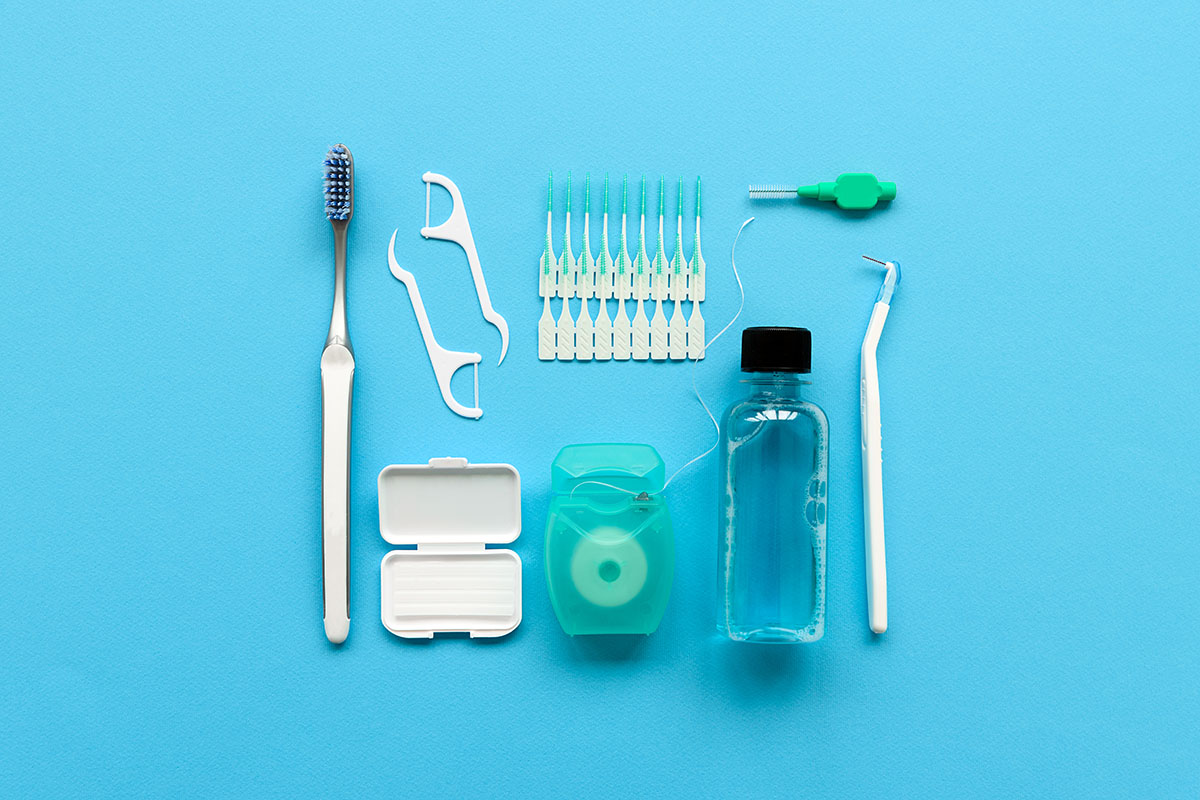
Your orthodontic travel kit does not need to be large. A small toiletry pouch or pencil case usually has enough room for everything you need. The goal is to create a portable version of your normal dental hygiene routine.
Start with a travel toothbrush, fluoride toothpaste, floss, and any special cleaning tools you normally use. If you have braces, bring floss threaders, orthodontic flossers, dental picks, or a small interdental brush. These tools make it much easier to remove food from around brackets and underneath wires when you are eating away from home.
Orthodontic wax is one of the most valuable items in the kit. It can cover a sharp wire, loose bracket, or rough area until you receive professional advice. Pack more wax than you think you will need because it is small, easy to misplace, and useful for several common problems.
Add extra rubber bands when elastics are part of your treatment plan. Bring enough for the entire trip plus several extra days in case your return is delayed. Do not replace them with ordinary household rubber bands. Orthodontic elastics are designed to provide a specific amount of force.
A small mirror can help you inspect an uncomfortable area, while hand sanitizer is useful before touching your braces or removing aligners. Lip balm is another helpful addition, particularly during long flights or trips to dry climates.
Keep your main kit in your carry-on or personal bag. You can also place a second toothbrush, extra wax, and backup supplies in your suitcase. This gives you another option if something is misplaced, but your most important items should remain with you.
Add the Right Supplies for Invisalign Travel
Traveling with Invisalign requires a few items that braces patients do not need. Your hard-sided aligner case should go everywhere you go. Never wrap your trays in a napkin, put them loose in a pocket, or place them directly on a restaurant table. A napkin can easily get thrown away, while an unprotected tray can become dirty, bent, or damaged.
Bring a second case as a backup. Keep one in your day bag and leave the other with your luggage or in the hotel room. A brightly colored case may be easier to notice when you are packing up after a meal.
Pack your current trays along with the next set if you are scheduled to change during the trip. It is also wise to bring your most recent previous set. If your current aligner is lost or damaged, your orthodontist may tell you to return to the previous tray or advance to the next one. The correct choice depends on your individual treatment, so contact the office before making that decision.
Aligner cleaning tablets or crystals are useful when you will be away for more than a couple of days. You can also bring a small bottle of clear, mild soap if that is part of your orthodontist- approved cleaning routine. Avoid exposing your trays to hot water because heat may change their shape and affect how they fit.
Your orthodontist will tell you how many hours to wear your aligners. Most Invisalign patients are directed to wear them for around 20 to 22 hours each day. Vacation does not pause that schedule. Setting a phone reminder after meals can stop a quick lunch from turning into several hours without your trays.
Keep Your Supplies in Your Carry-On
Checked luggage can be delayed, sent to the wrong airport, or arrive after you do. That is inconvenient when the bag contains clothes, but it can interrupt treatment when it contains all your aligners or rubber bands.
Keep your current aligners, upcoming trays, orthodontic travel kit, and essential supplies in your carry-on. Travel-size toothpaste, mouthwash, and cleaning liquids also need to follow current airport-security rules.
Your braces and Invisalign trays should not stop you from passing through normal airport screening. There is no reason to remove clear aligners just to enter the security line. Keep wearing them unless you need to take them out for food or a drink other than water.
A reusable empty water bottle is another helpful carry-on item. Fill it after security so you can stay hydrated and rinse your mouth when brushing is not immediately possible.
Eating While Traveling With Braces
Trying local food is one of the best parts of a vacation. Braces do not mean you have to avoid every restaurant or eat mashed potatoes for the entire trip. You just need to stay away from foods that are likely to pull on brackets, bend wires, or require forceful biting.
Soft pasta, rice, eggs, tender fish, soft bread, yogurt, smoothies, cooked vegetables, ripe fruit, and tender meat are generally easier to manage. Cut sandwiches, pizza, and firm foods into smaller pieces rather than biting into them with your front teeth.
Continue avoiding hard, sticky, crunchy, and very chewy foods. Popcorn, ice, hard candy, caramel, nuts, tough jerky, and very crusty bread can create problems at home or on vacation. A broken bracket is particularly inconvenient when your regular orthodontist is hundreds of miles away.
Road trips often lead to constant snacking. Instead of relying on hard chips, candy, or trail mix, pack soft snack options such as yogurt, bananas, cheese, applesauce, soft muffins, or seedless grapes. Planning ahead helps you avoid choosing the only available food at a gas station when that food is not safe for your braces.
Eating and Drinking While Traveling With Invisalign
Invisalign gives you more freedom with food because you remove the trays before eating. That freedom still comes with responsibility. Take the aligners out before meals and place them directly into their case.
Plain water is generally the simplest drink to have while your aligners are in. Coffee, tea, wine, soda, juice, and other colored or sugary drinks may stain the trays or trap sugar and acid against your teeth. Hot drinks can also affect aligner material.
After eating, brush and floss before putting your trays back in whenever possible. When you are somewhere without a clean bathroom, rinse your mouth thoroughly with water, rinse the trays with cool bottled water, and reinsert them. Complete a proper brushing and cleaning as soon as you have access to a suitable sink.
This temporary rinse is better than leaving the trays out for most of the day, but it should not become your entire vacation routine. Food trapped underneath aligners can contribute to odor, plaque, and tooth decay.
Try to group your eating into regular meals rather than grazing all day. Frequent snacking means repeatedly removing, cleaning, and reinserting the aligners. It also makes reaching your daily wear time more difficult.
Maintain Your Dental Hygiene Routine
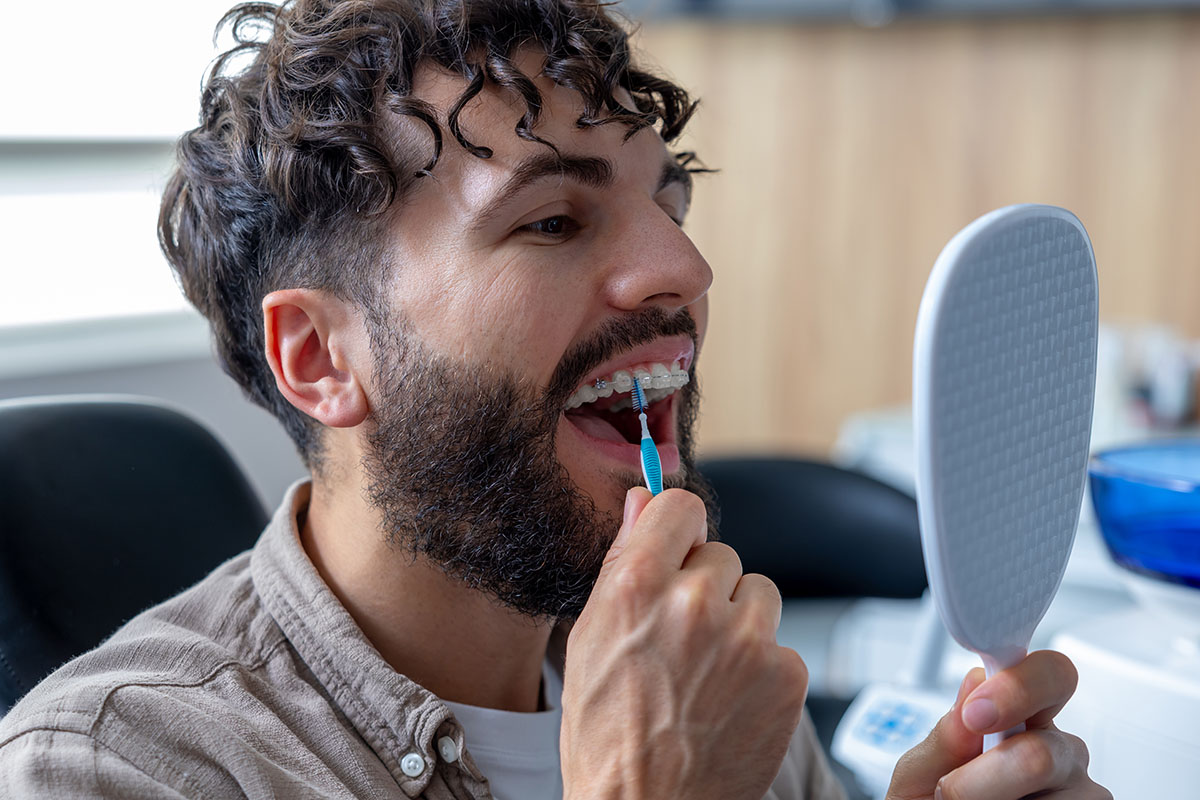
Travel changes your schedule, but plaque does not take a vacation. Braces create extra spaces where food can become trapped, while aligners can hold particles against your teeth. Skipping your oral hygiene routine for several days can leave your mouth feeling uncomfortable and increase the chance of dental problems.
Brush thoroughly in the morning and before bed, even after a long day of sightseeing. Clean around every bracket and along the gumline. Floss at least once a day using the tools recommended by your orthodontist.
Cleaning after lunch is ideal, but you may not always have access to a private or convenient bathroom. At minimum, rinse well with water and use an interdental brush or dental pick to remove visible food. Follow up with complete brushing when you return to the hotel, cruise cabin, or vacation rental.
Continue wearing elastics exactly as instructed. Carry extras during day trips instead of leaving the entire supply in your room. A phone reminder can help when a new time zone or changing schedule makes it hard to remember.
Flying, Driving, Cruising, and Beach Trips
Each style of travel creates slightly different challenges. During a flight, the dry cabin air can make your mouth and lips feel uncomfortable. Drink water regularly, carry lip balm, and keep your dental kit somewhere easy to reach instead of inside the overhead bin.
On a road trip, plan rest stops after major meals so you can clean your teeth. Keep a small kit in the glove compartment or center console, but do not leave Invisalign trays inside a hot parked car. Florida heat can build quickly and may damage aligners or retainers.
Cruise travelers should bring enough supplies for the entire sailing plus a few extra days. Internet and phone service may be limited at sea, so ask your orthodontist any important questions before departure. Keep your aligner case or wax with you during shore excursions rather than leaving everything in the cabin.
Beach days are easy with either treatment. Braces can get wet, and you can swim normally. Clear-aligner patients should follow their orthodontist’s instructions about wearing or removing trays while swimming. In either case, keep aligners out of direct sun, away from hot cars, and safely inside their case rather than loose in a beach bag.
Handling a Loose or Broken Bracket
A loose or broken bracket is usually uncomfortable rather than dangerous. If it remains attached to the wire, do not pull it off. Cover the area with orthodontic wax if it rubs against your cheek or lip, avoid hard and sticky foods, and contact your orthodontist for instructions.
Your orthodontist may advise waiting until you return, or the office may recommend visiting a local provider. The answer depends on the bracket’s location, your discomfort, the length of the trip, and how the problem affects your treatment.
Do not use glue or attempt to rebond the bracket yourself. Temporary comfort is the goal until a professional can complete the repair correctly.
Managing a Poking Wire
Teeth move during treatment, which can sometimes cause the end of a wire to feel longer. If it starts rubbing your cheek, apply orthodontic wax to create a smooth surface.
You may also be able to use a clean cotton swab or pencil eraser to gently move the wire closer to the tooth. Contact your orthodontist before attempting to cut anything. The office can explain whether a temporary adjustment is appropriate and how to do it safely.
Seek prompt help if a wire causes significant bleeding, severe pain, or an injury that you cannot manage with wax. A local orthodontist may be able to provide a simple repair until you return home.
What to Do About a Lost or Damaged Aligner
First, check the case, bags, hotel room, restaurant table, and any napkins you used during the last meal. If you still cannot find the tray, contact your orthodontist.
Do not automatically move forward to the next set or go without an aligner for the rest of the trip. Depending on how long you wore the missing tray, your orthodontist may recommend using the previous set, advancing to the next set, or arranging for a replacement.
This is why carrying your previous, current, and next trays can be so helpful during a longer vacation. They give your orthodontist practical options for keeping your teeth in position.
Know When the Problem Is a Real Emergency
Most orthodontic emergencies while traveling can be managed temporarily, but some situations need immediate attention. A serious injury to the teeth or jaw, uncontrolled bleeding, severe swelling, trouble breathing or swallowing, intense pain, or a suspected infection should not wait until you return home.
Contact your orthodontist for guidance and seek local emergency dental or medical care when necessary. Before an international trip, identify a reputable dental or orthodontic office near your destination and check what your travel insurance covers.
For minor problems, your regular office may be able to review a photo or speak with a local provider. Keeping contact details and treatment information available makes that process much easier.
Enjoy Your Trip Without Pausing Your Smile

Traveling with braces or Invisalign takes extra preparation, but it should not stop you from exploring new places, enjoying local food, or spending time with the people you care about. The right travel kit keeps your everyday routine within reach, while a simple emergency plan gives you peace of mind.
Keep your supplies close, stay consistent with brushing and aligner wear, choose foods carefully, and contact your orthodontist when something does not feel right. Those habits can protect your treatment without taking over your vacation.
If you’re planning a trip and need personalized advice about caring for braces or Invisalign, our team is ready to help. Contact the Fort Lauderdale specialists in orthodontics patients trust to review your treatment, prepare your travel kit, and keep your smile moving forward wherever your next adventure takes you.

Dr. Ovy Quintanal is a South Florida orthodontist and the founder of Oceanside Orthodontics in Fort Lauderdale, FL.