
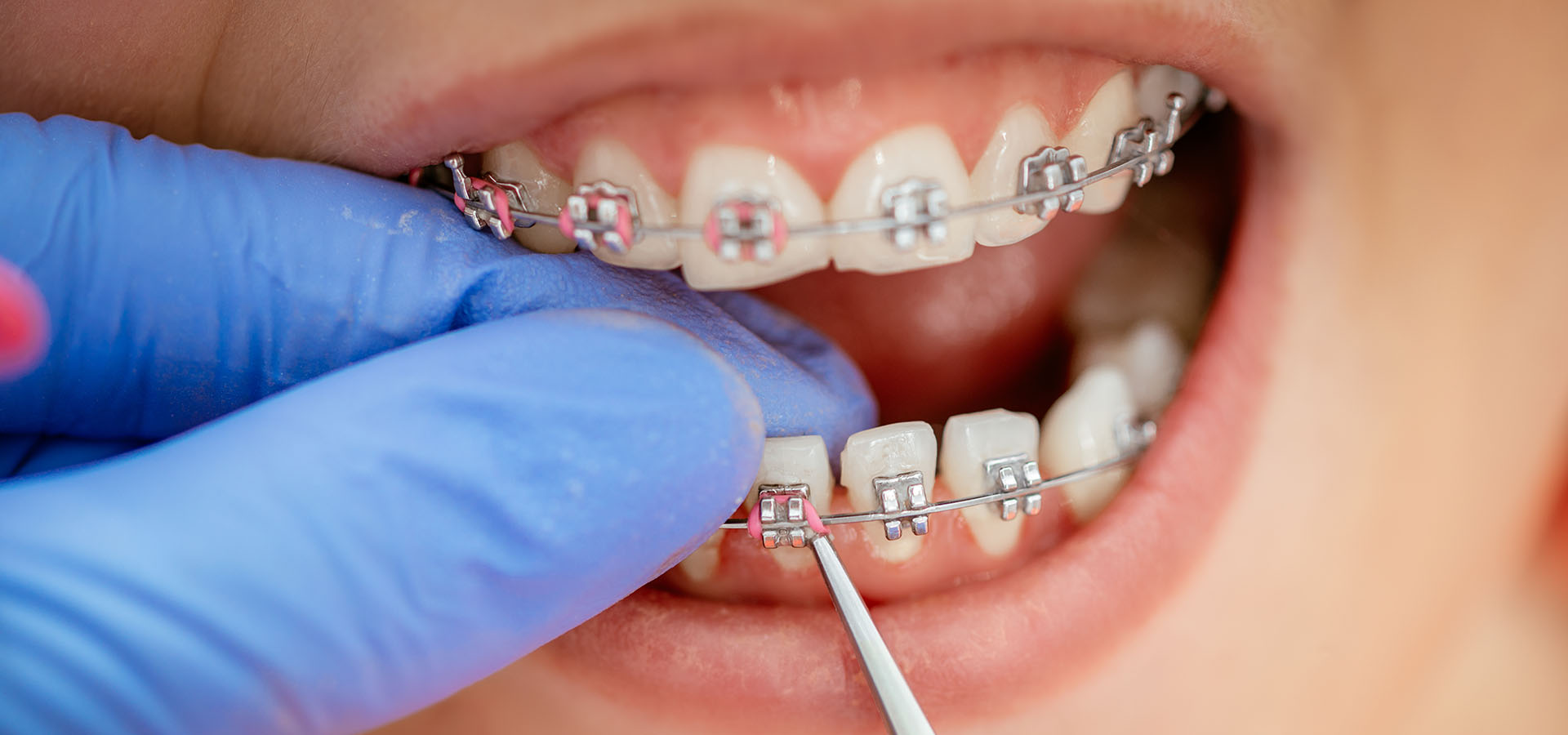
Orthodontic problems have a way of showing up at the worst time. You might be eating lunch when a bracket suddenly feels loose, getting ready for bed when a wire starts poking your cheek, or opening your Invisalign case and noticing a crack in your aligner.
The good news is that most minor orthodontic problems are more annoying than dangerous. A loose bracket, irritating wire, or damaged aligner usually does not mean your treatment is ruined. In many cases, you can stay comfortable for a short time with a few simple steps while you wait for your next visit.
If you are dealing with an orthodontic emergency between visits in Fort Lauderdale, the first thing to do is stay calm and look closely at what changed. Some issues are easy to manage temporarily, while others deserve attention sooner. Knowing the difference can help you protect your smile without turning every small problem into a major emergency.
Start by Looking at What Actually Changed
Before trying to fix anything, take a good look in the mirror.
If you have braces, check whether the bracket is still attached to the wire, whether the wire has shifted, and whether anything feels sharp against your cheek or lip. If you wear Invisalign, look for cracks, warping, rough edges, or areas where the tray no longer fits snugly against your teeth.
Mild soreness or irritation is very different from severe pain, heavy bleeding, major swelling, or an injury to your teeth or jaw.
A clear photo can also be helpful if the problem changes or you later need to explain exactly what happened.
What to Do With a Loose Bracket
A loose bracket is one of the most common problems people experience with braces.
Sometimes the bracket comes partially detached from the tooth but stays connected to the wire. If that happens, leave it alone as much as possible. Avoid twisting it, pulling on it, or moving it around with your tongue.
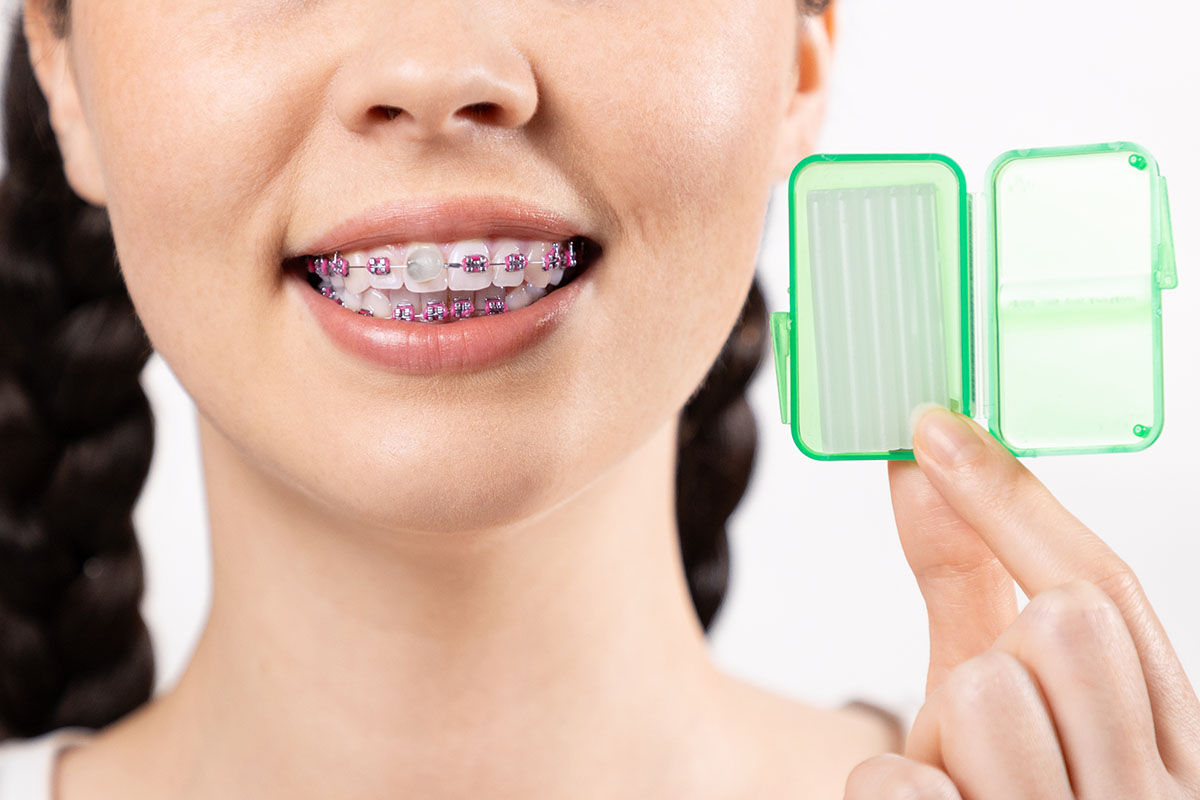
If the bracket rubs your cheek or lip, orthodontic wax can make a big difference. Dry the bracket with a tissue, roll a small amount of wax between clean fingers, and press it gently over the rough area.
Choose softer foods until the bracket is fixed. Pasta, eggs, rice, yogurt, soft sandwiches, fish, mashed potatoes, and cooked vegetables are easier on braces than chips, nuts, hard bread, sticky candy, or crunchy snacks.
Try chewing on the other side of your mouth when possible. The main goal is to avoid putting more pressure on the loose bracket.
When a Wire Starts Poking

A poking wire can become irritating quickly because it rubs the same spot over and over.
Start with orthodontic wax. Dry the wire first so the wax sticks better, then cover the sharp area. You may need to replace the wax after eating or brushing.
If the wire has shifted slightly and is sticking out near the back of your mouth, you may be able to gently move it closer to the tooth with a clean cotton swab. If it does not move easily, do not force it.
Warm salt water can also help soothe a cheek that has already become irritated.
Avoid cutting wires yourself unless you have been specifically told how to handle that situation. Cutting the wrong spot can create a sharper edge or leave a loose piece in your mouth.
What If a Bracket Comes Off Completely?
Sometimes a bracket separates completely from the tooth.
If you can safely retrieve it, place it in a small container or plastic bag rather than throwing it away. Do not try to glue it back on yourself.
Household glue and super glue do not belong in your mouth. Even if a homemade repair seems to hold for a little while, it can create a bigger problem later.
Until the bracket is replaced, be gentle with that area. Avoid hard and sticky foods and continue brushing carefully around the tooth.
If the remaining wire feels sharp, orthodontic wax can provide temporary protection.
What to Do If Your Aligner Cracks or Breaks
Clear aligners can crack, split, warp, or develop rough edges.
A tiny crack does not always make a tray useless. If the aligner still fits normally, stays in place, and does not hurt, it may still be usable temporarily.
A large split is different. If the aligner is bending away from your teeth, separating into pieces, or creating a sharp edge, continuing to wear it may not be a good idea.
Do not use glue, tape, or heat to repair an aligner. Heat can change the shape of the plastic and affect how it fits. Hot water and hot cars are especially risky in South Florida.
Keep the damaged tray in its case instead of throwing it away.
What to Do If You Lose an Invisalign Tray
Losing an aligner is frustrating, but it happens often.
One of the easiest ways to lose a tray is at a restaurant or school lunch. You remove it, wrap it in a napkin, and accidentally throw it away. That is why your aligner case should go everywhere you go.
If a tray disappears, do not automatically jump ahead to the next set. If you still have the previous tray, keep it nearby because it may help keep your teeth from shifting.
Your next set should also stay protected until you know whether it is time to move forward.
The right decision depends on how long you wore the missing tray and how your treatment is progressing. Someone who loses a tray on day one is in a different situation from someone who loses it near the end of the wear period.
The main thing you want to avoid is going several days with nothing holding your teeth in position.
Soreness Does Not Always Mean Something Broke
Not every uncomfortable feeling means something is wrong.
Teeth often feel tender after braces are adjusted or after you switch to a new aligner. Normal soreness usually feels like tenderness when you bite or chew and often improves within a few days.
During that time, softer foods can help. Smoothies, eggs, oatmeal, pasta, soup, yogurt, rice, fish, and soft vegetables are usually easier to eat than crunchy or chewy foods.
Pain becomes more concerning when it is sharp, severe, getting worse, or focused around one tooth in a way that feels different from your normal orthodontic soreness.
Protecting a Sore Cheek or Lip
Brackets and wires can sometimes create sore spots even when nothing is actually broken.
If a rough edge keeps rubbing your cheek, orthodontic wax is usually the easiest fix. Warm salt water can also help soothe the irritated tissue.
Try not to constantly touch the sore spot with your tongue because repeatedly checking it can keep the area irritated.
Most minor spots improve once the rubbing stops. If the wax falls off, simply replace it.
Be Careful With DIY Orthodontic Repairs
There is a big difference between temporary care and trying to repair orthodontic equipment yourself.
Wax, salt-water rinses, soft foods, and gently moving an irritating wire away from your cheek are temporary comfort measures.
Trying to glue brackets, reshape aligners, bend wires with tools, or make major adjustments on your own is different.
Online videos can make orthodontic repairs look simple, but your braces and aligners were designed around a specific treatment plan. Changing something the wrong way can affect your teeth or make the problem worse.
Think of DIY care as damage control, not treatment. Your goal is to keep the area comfortable and stable until the issue can be properly handled.
When You Can Wait and When You Should Act Sooner
One of the biggest questions people have is whether a problem can wait until the next scheduled visit.
Minor irritation that improves with wax, mild soreness after an adjustment, or a small issue that is not changing may be manageable for a short period.
A loose bracket, wire that repeatedly cuts your cheek, badly damaged aligner, appliance that no longer fits correctly, or problem that keeps getting worse should not simply be ignored for weeks.
There are also situations that go beyond routine orthodontic problems. Major facial trauma, a knocked-out permanent tooth, uncontrolled bleeding, severe swelling, signs of infection, or difficulty breathing or swallowing should receive urgent dental or medical attention.
The goal is not to treat every small orthodontic issue like an emergency. It is to recognize when something is clearly more serious than normal discomfort.
Keep a Small Orthodontic Emergency Kit Ready
A few basic supplies can make unexpected orthodontic problems much easier to manage.
Orthodontic wax should be at the top of your list. A small mirror is helpful for checking brackets and wires. Travel-size floss, interdental brushes, a toothbrush, and toothpaste can help keep an irritated area clean.
If you wear elastics, keep extras available. If you wear aligners, keep your previous set instead of immediately throwing it away when you move to a new tray.
You may want one emergency kit at home and another in your backpack, purse, desk, or car. In Fort Lauderdale, you may spend plenty of time away from home at work, school, the beach, sports, or restaurants. Having a few supplies nearby can save you from dealing with a rough bracket or wire all afternoon with nothing to cover it.
How to Reduce the Chance of Another Broken Bracket
Food choices make a big difference with braces.
Ice, hard candy, popcorn kernels, nuts, sticky caramel, chewy candy, and very crunchy foods can put too much pressure on brackets and wires.
You do not necessarily need to avoid every firm food. Apples, carrots, and similar foods are often easier to eat when cut into smaller pieces instead of bitten into whole.
Sports are another common source of damage. If you play football, basketball, soccer, lacrosse, martial arts, or another activity where you could take a hit to the face, an orthodontic mouthguard can help protect both your teeth and your braces.
Keeping Invisalign Safe Between Visits
The easiest way to prevent aligner problems is to give the trays one safe place to go whenever they leave your mouth.
That place is the case.
Not a napkin, pocket, restaurant table, or cup holder.
Florida heat also deserves special attention. A closed car can become extremely hot very quickly, and that heat can damage aligners and retainers.
Clean aligners with cool or lukewarm water rather than hot water, and avoid harsh household cleaning products.
A simple routine helps prevent most problems: remove the trays, put them in the case, eat, clean your teeth, rinse the trays, and put them back in.
Do Not Let a Small Problem Ruin Your Week

A broken bracket or damaged aligner can be frustrating, especially when your next orthodontic visit is not right around the corner. But most minor problems can be managed without panic.
Use orthodontic wax for sharp areas, choose softer foods when a bracket is loose, keep damaged aligners protected in their case, and avoid aggressive DIY repairs. Pay attention to changes in pain, swelling, fit, or comfort so you can tell when the situation is improving and when it deserves quicker attention.
A little preparation goes a long way. Keeping basic orthodontic supplies nearby and knowing what is safe to handle temporarily can make these unexpected moments much easier.
If you are dealing with an orthodontic emergency between visits Fort Lauderdale patients commonly experience, our team can help you figure out the safest next step and keep your treatment moving forward. Whether you have a loose bracket, irritating wire, damaged aligner, or another unexpected issue, getting the right guidance early can help protect your smile and prevent a small problem from becoming a bigger one.

Dr. Ovy Quintanal is a South Florida orthodontist and the founder of Oceanside Orthodontics in Fort Lauderdale, FL.