
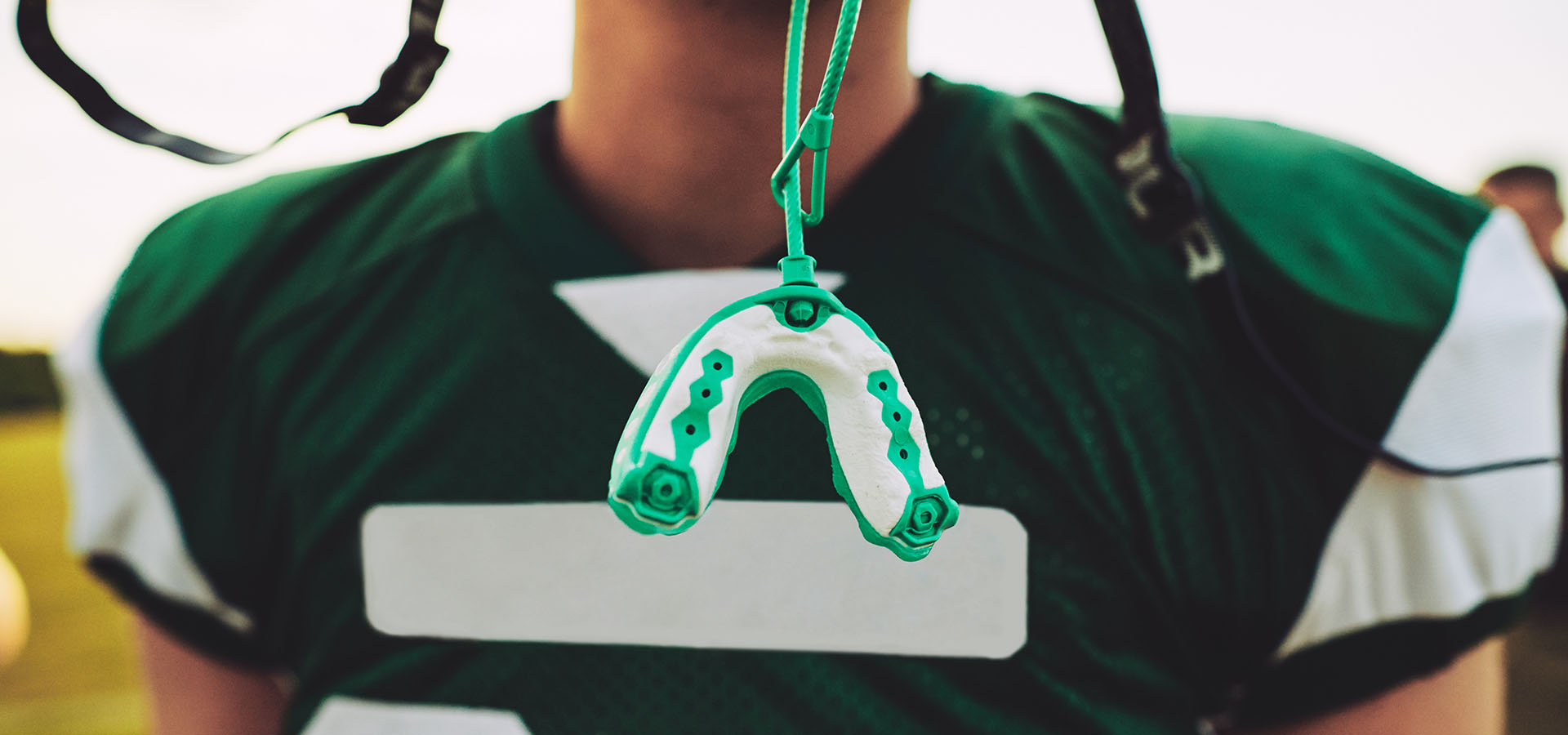
October in Fort Lauderdale is still hot, humid, and busy with school sports. Football is in full swing, soccer and volleyball schedules are packed, and many athletes are moving from practice to games and weekend tournaments. If you or your child recently started orthodontic treatment, one question usually comes up fast: can you keep playing sports with braces?
The answer is yes. Braces do not have to put you on the sidelines. You can keep playing the sports you enjoy, but you need to protect your teeth, lips, cheeks, and orthodontic hardware a little differently than you did before treatment.
The biggest change is your mouthguard. A regular sports mouthguard may not fit correctly over brackets and wires, and a poor fit can be uncomfortable or interfere with treatment. You also need to know what to do if you take an elbow, ball, shoulder, or fall to the mouth. A few simple habits can make the difference between finishing the game and dealing with a painful orthodontic problem.
Can You Play Sports With Braces?
Yes, you can play football, soccer, volleyball, basketball, baseball, softball, wrestling, martial arts, and most other sports while wearing braces. Orthodontic treatment does not automatically limit your athletic activity.
What changes is the amount of protection your mouth needs. Brackets and wires create hard surfaces on the front of your teeth. If you get hit in the face, your lips or cheeks can be pressed against those brackets. That can lead to cuts, swelling, soreness, a loose bracket, a bent wire, or damage to a tooth.
Playing sports with braces is less about avoiding sports and more about using the right equipment. Think of a braces-friendly mouthguard the same way you think about cleats, shin guards, pads, or a helmet. It is part of the gear that helps you play safely.
Why Braces and Contact Sports Need Extra Attention
Some sports make mouth protection an obvious priority. Football, martial arts, wrestling, and other high-contact activities involve regular body contact. But dental injuries are not limited to sports that look rough.
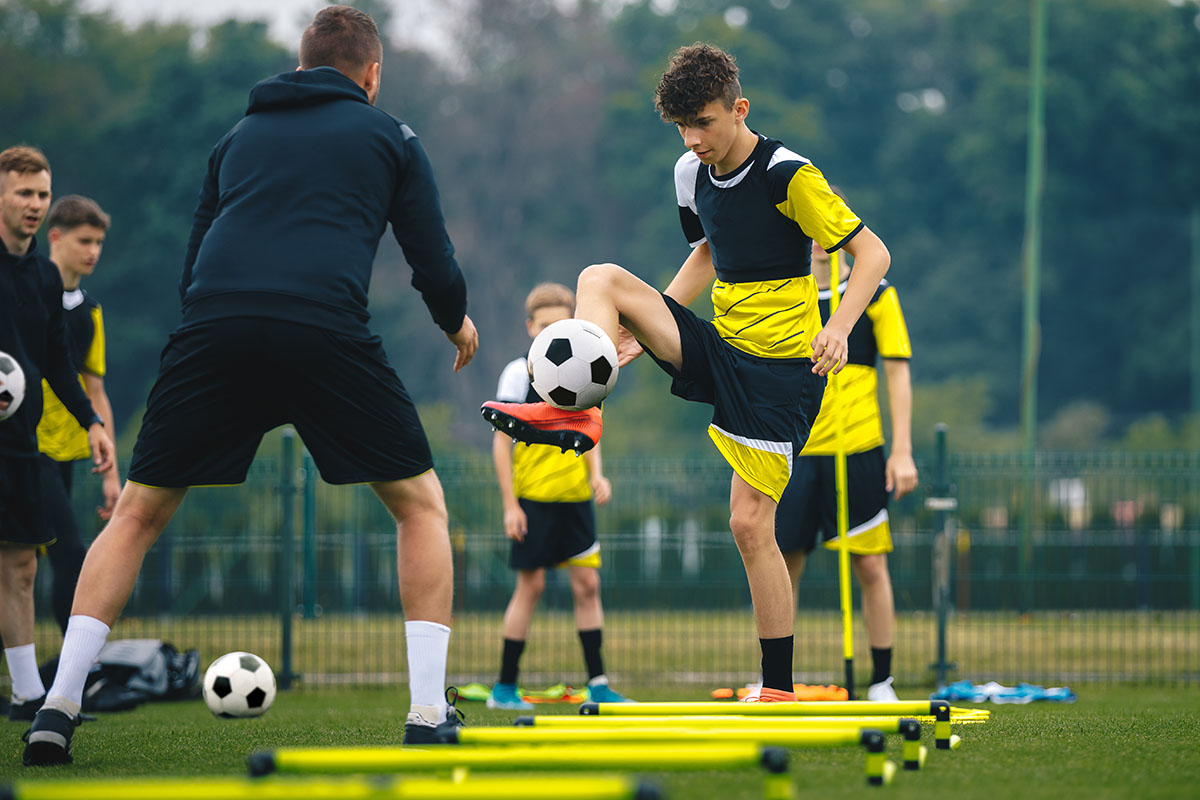
Soccer players can take a ball, elbow, shoulder, or head to the face. Volleyball players can collide at the net, hit the floor, or take a fast-moving ball to the mouth. Basketball has plenty of accidental contact. Even skateboarding, biking, cheerleading, and gymnastics can lead to a fall that affects the teeth.
With braces and contact sports, you are protecting two things. First, you are protecting your natural teeth from chips, fractures, movement, or more serious trauma. Second, you are creating a cushion between your braces and the soft tissue inside your mouth.
A broken bracket can usually be repaired. An injured permanent tooth can be a much bigger problem. That is why protecting the teeth should always come first.
Choosing the Right Mouthguard for Braces
Not every mouthguard is a good choice when you have braces. Standard mouthguards are usually designed around teeth that are not moving. Braces are different because your tooth positions change throughout treatment, and the guard needs enough room for brackets, wires, and that ongoing movement.
A mouthguard for braces should fit over the orthodontic hardware without squeezing it. It should stay in place, allow you to breathe comfortably, and give you enough freedom to communicate with teammates and coaches. It should not require you to bite down hard every second just to keep it from falling out.
Braces-Compatible Mouthguards
Many sporting-goods stores sell mouthguards specifically labeled for braces. These are usually larger and more flexible than a basic mouthguard, with extra room around the brackets. For many school athletes, this can be a practical option.
The key is making sure the product is actually designed for orthodontic use. A regular guard that happens to fit over your braces is not necessarily the same thing as an orthodontic mouthguard.
Boil-and-Bite Mouthguards
Boil-and-bite guards are popular because they can be shaped at home. With braces, though, you have to be more careful. A traditional model can mold too tightly around the brackets or become difficult to remove.
If you use this type, choose one specifically made for braces and follow the fitting instructions closely. Do not force a tight guard over your brackets. If it feels stuck, presses hard against your braces, or causes pain, the fit needs attention.
Custom Mouthguards
A custom mouthguard can offer an excellent combination of fit, comfort, and protection, especially if you compete often or play a high-contact sport. The challenge is that your teeth are moving while you are in braces, so even a custom guard may need to be checked, adjusted, or replaced as treatment progresses.
There is no single mouthguard that is best for every athlete. Your sport, age, braces, bite, treatment stage, and how often you play all matter.
What Should a Good Sports Mouthguard Feel Like?
A mouthguard does not help much if it is so uncomfortable that you leave it in your bag. It should feel secure without crushing your brackets, and you should be able to breathe and speak well enough for normal game communication.
Check the fit throughout the season. If the guard feels tighter, starts rubbing, develops cracks, or no longer stays in place, it may be time to replace it. Teeth move during orthodontic treatment, and younger athletes are growing too, so a guard that fit well early in the season may not fit the same way later.
Football, Soccer, and Volleyball: What Changes With Braces?
Different fall sports create different types of risk, so it helps to think beyond the general label of “contact sport.”
In football, a helmet and face mask are important, but they do not replace a mouthguard. Contact can still transfer force to the jaw and teeth. If you wear braces, use a guard that gives your brackets enough room.
Soccer can be misleading because players may not think of it as a mouthguard sport. But headers, elbows, falls, and close-range shots can all lead to facial contact. Goalkeepers have even more reason to think about protection because they dive into traffic and may take a hard ball at close range.
Volleyball has less player-to-player contact, but accidents still happen. You can collide with a teammate, fall forward, or take a ball to the face. If there is a realistic chance of a blow or fall involving your mouth, protection makes sense even when your league does not require it.
What About Clear Aligners and Sports?
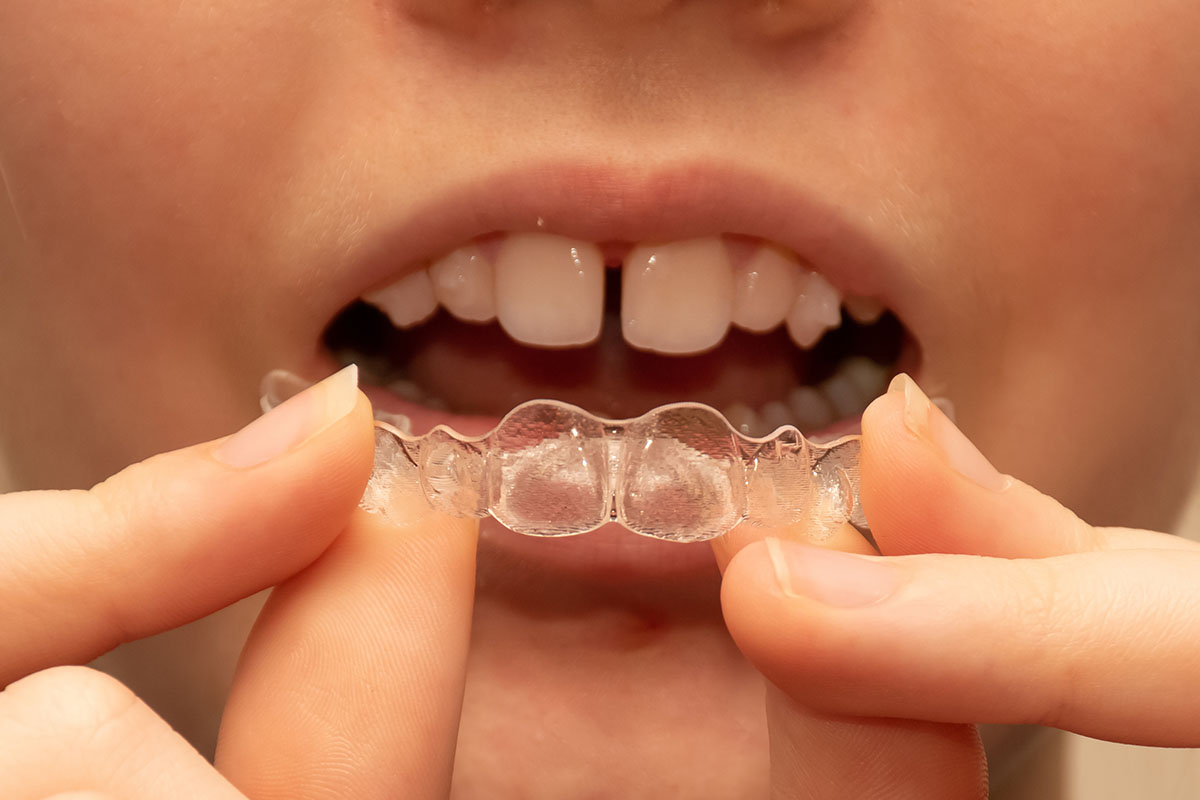
Clear aligners create a different situation because they are removable. They may look a little like thin mouthguards, but they are not designed to absorb sports impact. You should not rely on your aligners as protective equipment during contact play.
For contact or collision sports, you will generally remove your aligners and wear a proper athletic mouthguard instead. Put the aligners in their case while you play. Do not wrap them in a napkin, leave them loose in a gym bag, or set them on the bench where they can be lost or damaged.
After the activity, rinse your mouth if needed and put your aligners back in so you can stay close to your normal wear schedule. For low-impact activities with little risk of contact, you may be able to keep them in, depending on your treatment instructions.
What to Do If You Get Hit in the Mouth
Even with the right mouthguard, no piece of equipment can prevent every injury. If you take a hard hit to the mouth, stop and check what happened instead of immediately jumping back into the game.
Look for bleeding, a loose tooth, a chipped tooth, a broken bracket, a wire that moved out of place, or a cut inside your lip or cheek. Rinse gently with clean water if needed. A cold compress on the outside of the mouth or face can help with swelling.
If a bracket is loose but still attached to the wire, avoid pulling it off. Orthodontic wax can make the area more comfortable until it can be repaired. Wax can also help if a wire starts poking your cheek.
A hard hit that affects a tooth is more important than the condition of the braces. If a permanent tooth is knocked out, handle it by the crown rather than the root, keep it moist, and seek emergency dental care right away. Severe facial trauma, heavy bleeding that will not stop, trouble breathing or swallowing, or a possible broken jaw needs urgent medical attention.
Do not assume everything is fine just because the braces still look normal. Tooth pain, a bite that suddenly feels different, swelling, looseness, or discoloration after a significant hit can be signs that the tooth itself needs to be checked.
Build a Small Braces Sports Kit
You do not need to carry a full dental office in your equipment bag, but a few basic items can save you trouble. Keep your mouthguard in a ventilated case instead of tossing it loose into a sweaty gym bag. Add orthodontic wax, a small mirror, a travel toothbrush, toothpaste, and a small interdental brush or flossing tool.
Water should be part of the kit too, especially in Fort Lauderdale. Fall may be cooler than August, but South Florida practices can still be hot and humid. Water helps with hydration and also rinses away food and sugary residue around brackets.
Sports drinks may be useful during some long or intense training sessions, but sipping sugary or acidic drinks throughout practice can expose your teeth to repeated acid and sugar. If you have one, follow it with water instead of letting the residue sit around your braces.
Keep Your Mouthguard Clean Through the Season
Rinse your mouthguard before and after use, clean it regularly with cool water and a gentle cleanser, and let it dry before closing it inside its case. Avoid very hot water unless the manufacturer specifically tells you to use it for fitting because heat can change the shape of some guards.
Inspect the guard often. Deep bite marks, tears, rough edges, thinning areas, or a change in fit are signs that it may need to be replaced. If you recently had a major braces adjustment and the guard suddenly feels different, do not force it back into place.
Stay in the Game While Protecting Your Smile
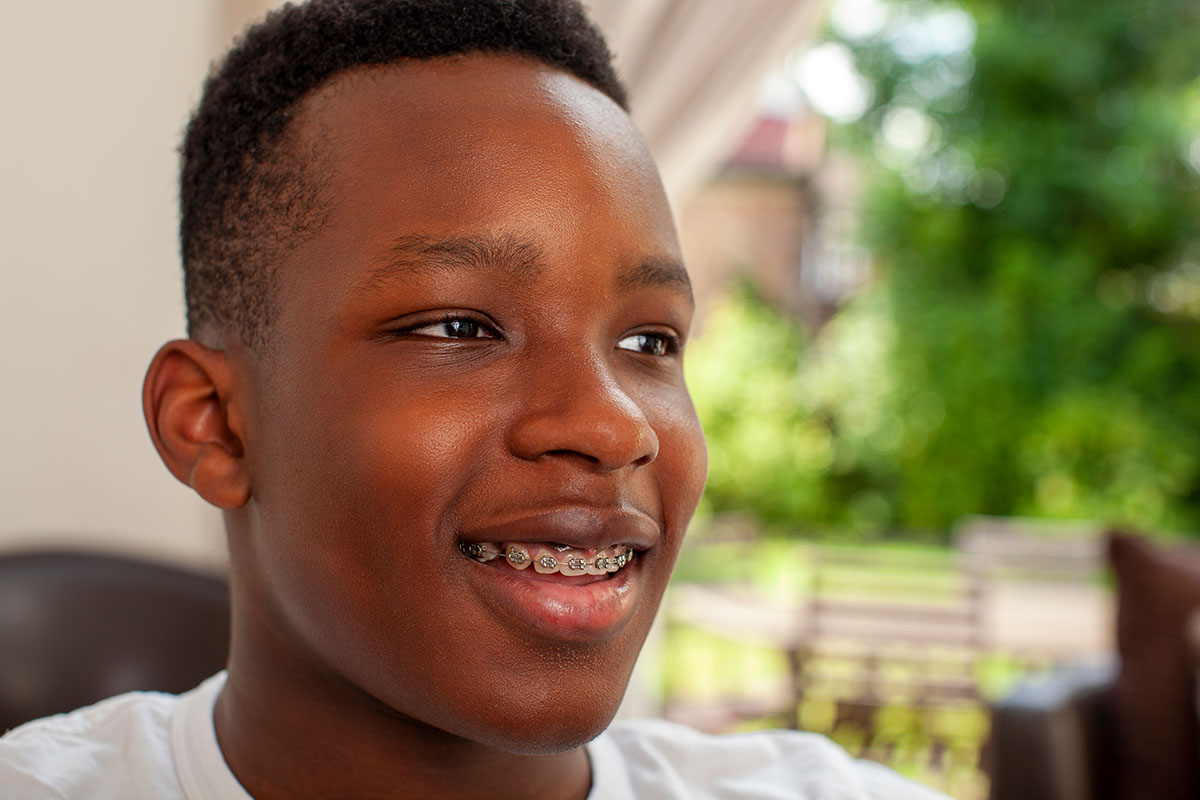
Orthodontic treatment should fit into your life, not stop you from living it. With the right mouthguard, a little preparation, and a plan for handling an injury, you can keep playing the sports you love while your smile continues to improve.
If you or your child is playing sports with braces and you are not sure which mouthguard is the right fit, Oceanside Orthodontics can help. Dr. Ovy Quintanal and the team provide personalized orthodontics in Fort Lauderdale for children, teens, and adults, including athletes who want to protect their teeth without stepping away from the game. Schedule a visit to get guidance on braces, clear aligners, and sports mouthguard protection that fits your treatment and your season.

Dr. Ovy Quintanal is a South Florida orthodontist and the founder of Oceanside Orthodontics in Fort Lauderdale, FL.