
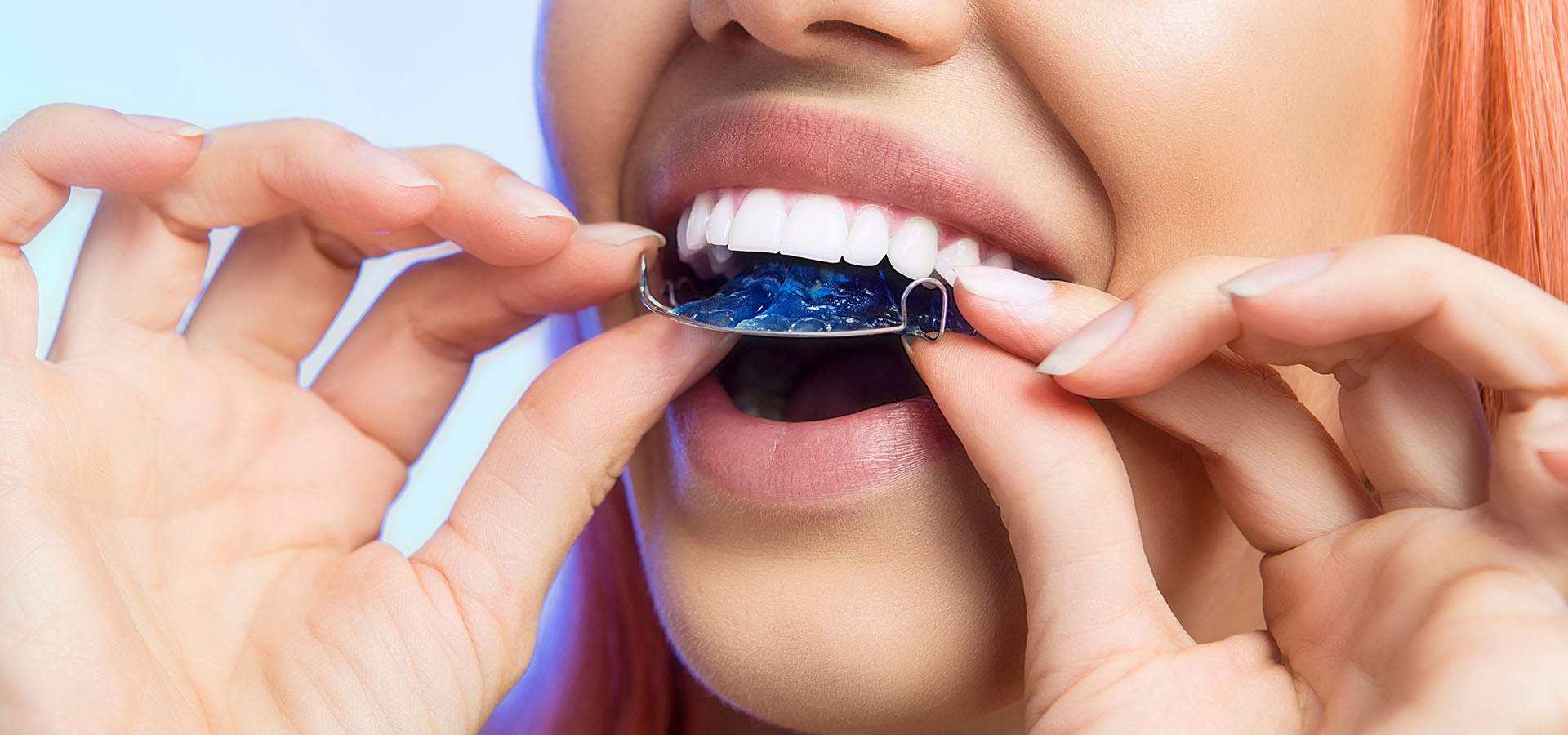
You finally remember your retainer after skipping a few nights, maybe even a few weeks, and the second you put it in, it feels way tighter than you remember. That can be alarming, especially if your teeth still look straight in the mirror.
A tight retainer is often your first clue that something has changed. In many cases, your teeth have started to move because the retainer was not holding them in place. In other cases, the retainer itself may have warped, cracked, or changed shape. The important part is knowing the difference between a retainer that feels snug and one that truly no longer fits.
This is especially easy to run into during November and the holiday season. Travel, Thanksgiving plans, late nights, family gatherings, and changes to your normal routine can make retainer wear easier to forget. Missing one night does not automatically ruin your orthodontic results, but repeated missed nights can add up.
Why Do Teeth Move After Braces?
When braces or clear aligners move your teeth, they are not simply shifting them into a new spot and locking them there forever. The bone and soft tissues around your teeth need time to adapt.
Even after that healing period, teeth can still change throughout life. Your bite, age, gum health, tooth wear, jaw growth, and everyday chewing forces can all play a role. That is why retainers are such an important part of orthodontic treatment.
Think of your retainer as maintenance for the work you already completed. Your braces or aligners did the moving. Your retainer helps hold those results.
If you stop wearing it consistently, some teeth may start drifting toward their old positions. This is often called orthodontic relapse. It can happen to teenagers, but orthodontic relapse in adults is common too, especially when retainers have been sitting in a drawer for months or years.
Why Does My Retainer Feel Tight After Not Wearing It?
If your retainer feels tight after not wearing it, the most common explanation is that your teeth have moved enough for you to feel pressure when you put the appliance back on.
The amount of movement may be very small. You may not even notice anything when looking at your smile. A retainer was made to match the position of your teeth very closely, so even a small change can make the fit feel noticeably different.
There is another possibility. The retainer may have changed instead of your teeth. Clear plastic retainers can warp if exposed to heat. They can also crack or become distorted over time, while wire retainers can bend. That is why you should look at the appliance itself instead of assuming your teeth are the only thing that changed.
Snug Is Different From Not Fitting
This is the most important distinction to understand.
A retainer that feels mildly snug but still seats completely over your teeth is very different from one that only goes halfway on, leaves a visible gap, pops off, or needs hard pressure to get into place.
Mild pressure can happen after inconsistent wear because your teeth may have moved just a little. You may notice the pressure most when you first put the retainer in.
A retainer that does not fully seat is another situation. Do not bite down hard on it or try to force it onto your teeth. If it no longer matches your tooth positions, forcing it can damage the appliance and may put unwanted pressure on individual teeth.
The same applies if you feel sharp or significant pain instead of normal pressure. A retainer should not require a wrestling match every night.
Can I Wear My Retainer After Months Without It?
A lot of adults find an old retainer and wonder whether they can simply start wearing it again after months away.
The answer depends on how well it still fits. If an old retainer slides completely into place without significant pain or force, the change in your teeth may be minor. Your orthodontist may recommend a more consistent wear schedule depending on your situation.
If the retainer will not seat completely, do not use it like a homemade version of braces. Retainers are mainly designed to hold teeth after treatment. They are not a substitute for controlled orthodontic treatment when teeth have moved significantly.
Sometimes the simplest solution is a new retainer made for your current tooth positions. Other times, a small amount of orthodontic treatment may be recommended before a new retainer is made.
What If My Retainer Doesn’t Fit Anymore?
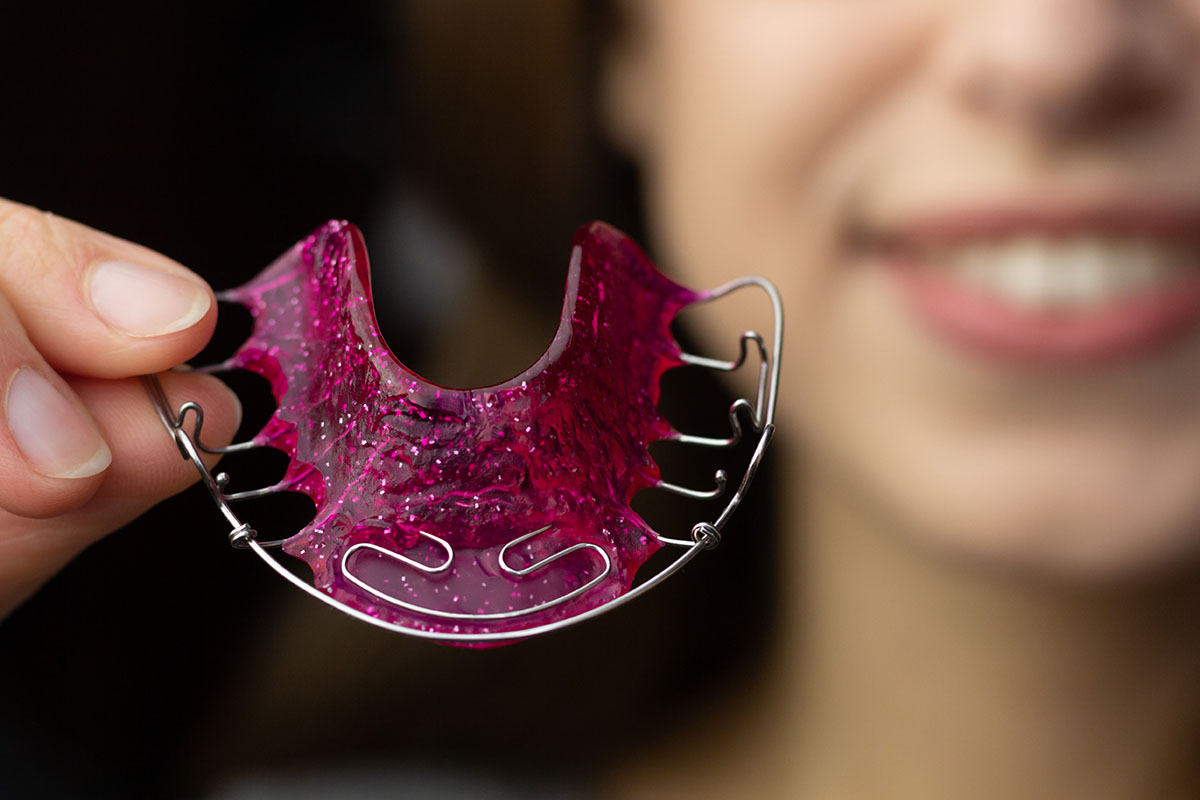
If your retainer doesn’t fit anymore, first take a close look at it. Check for cracks, bends, rough edges, warped plastic, or a loose wire. Think about whether it may have been left in a hot car, washed in hot water, or stored somewhere it could have been damaged.
Then look at how it sits on your teeth. Does it go all the way down? Does one side fit while the other sits higher? Is there a gap between the plastic and one or more teeth? Does it immediately pop back off?
If the retainer clearly no longer fits, an orthodontic evaluation can show how much movement has occurred and whether the appliance itself is part of the problem. That does not automatically mean you need braces again. You may need a replacement retainer, a small adjustment, a short course of clear aligners, or a new plan for maintaining your current smile.
How Fast Can Teeth Shift After Braces?
There is no single timeline that applies to everyone. Some people notice their retainer feels tight after only a few missed nights. Others can miss more time without noticing much difference.
Your teeth are more likely to move soon after active orthodontic treatment because the tissues around them are still adapting. But that does not mean teeth become permanently frozen in place years later.
Teeth can continue changing throughout adulthood. A person who had braces in high school can reach their 30s or 40s and notice that the lower front teeth are starting to overlap again.
A retainer often catches this movement before your eyes do. If it suddenly feels different, that can be an early warning that your teeth are no longer sitting exactly where they were when the retainer was made.
Can a Tight Retainer Move Teeth Back?
Sometimes a retainer that still fits fully may apply gentle pressure to teeth that have moved slightly. That does not mean you should use an old, poorly fitting retainer as an orthodontic appliance.
There is a limit to what a retainer is designed to do. If your teeth have moved enough that the retainer will not sit properly, trying to force it may create uneven pressure.
For minor relapse, an orthodontist may determine that your existing retainer can still be useful. In other cases, a short round of clear aligners or another limited treatment may be a safer and more predictable way to move the teeth before making a new retainer.
Why Retainers Still Matter Years After Treatment
A common mistake is thinking you eventually “graduate” from retainers.
You may be told to wear your retainer more frequently right after braces come off and then reduce wear later. But long-term retention is often part of keeping your teeth straight for the long run.
That does not mean everyone follows exactly the same schedule. Your orthodontist may recommend something different based on your original bite, the type of treatment you had, the retainer you use, and how stable your teeth have been.
The important idea is simple: straight teeth still need maintenance. Wearing a retainer is usually much easier than correcting another round of crowding later.
Holiday Travel Is an Easy Time to Fall Out of the Habit
November can be rough on routines. You may spend Thanksgiving at a relative’s house, travel for several days, stay up later than normal, or simply have more going on than usual.
If you are traveling, make the retainer part of the same routine as your toothbrush, phone charger, or medication. Keep the case somewhere you will actually see it at bedtime. If you take your retainer out to eat, put it directly in its case instead of on the table, in a pocket, or inside a napkin.
That last habit is especially useful during Thanksgiving dinner, restaurant meals, and holiday parties. Retainers wrapped in napkins are easy to forget and can quickly end up in the trash.
What About Fixed Retainers?
Some patients have a thin wire bonded behind the front teeth. These are often called fixed, permanent, or bonded retainers.
A fixed retainer removes the problem of forgetting to put it in at night, but it is not maintenance- free. The bonding material can loosen, and a wire can bend or detach from one tooth.
Sometimes one tooth can begin moving while the rest of the wire still appears attached. If a bonded retainer suddenly feels different against your tongue, a tooth looks like it is moving, or part of the wire feels loose, have it checked rather than trying to repair it yourself.
Take Care of the Retainer Too
Good retainer habits are not only about remembering to wear it. The appliance also needs basic care if you want it to keep fitting correctly.
Rinse a removable retainer regularly and clean it according to the instructions you were given. Avoid hot water because heat can distort some clear plastic retainers.
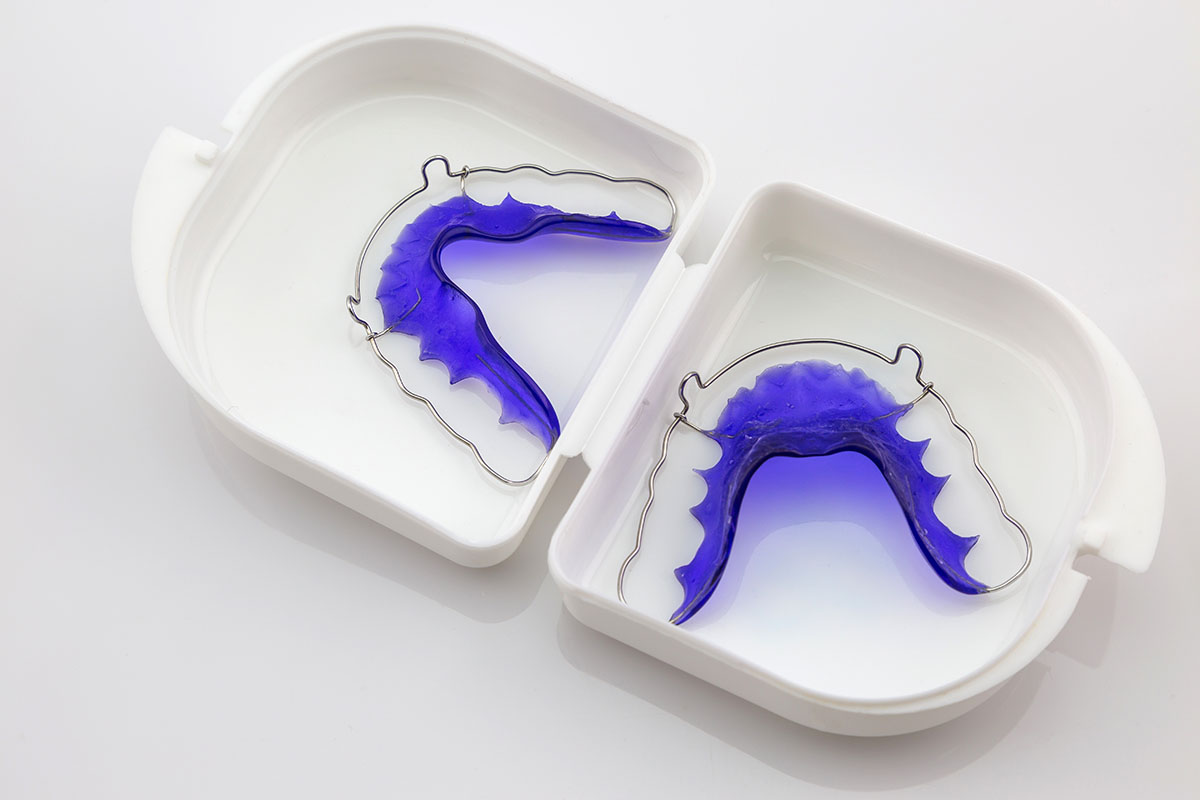
Keep it in a protective case when it is out of your mouth. A case protects it from being crushed, lost, thrown away, or chewed by a pet.
Your retainer should also be checked occasionally for wear. Even if you have been excellent about using it, clear plastic does not necessarily last forever. Years of inserting, removing, cleaning, and sleeping with a retainer can eventually change its condition.
What Happens If Your Teeth Have Already Shifted?
Finding out that your teeth moved does not necessarily mean you are starting over.
Small changes may require a simple solution. Your orthodontist may recommend replacing a worn retainer, monitoring the teeth, changing how often you wear the appliance, or doing limited orthodontic treatment.
If the relapse is more noticeable, clear aligners or braces may be used to move the teeth back into better positions. Once that correction is finished, a new retainer helps protect the result.
The sooner you deal with a fit problem, the more options you may have. Waiting until the retainer is nowhere close to fitting can allow a small change to become a bigger one.
Why Adults Often Notice Relapse Years Later
Orthodontic relapse in adults can be frustrating because you may have gone years without thinking about braces. Your teeth looked great, life got busy, and eventually the retainer stopped being part of your bedtime routine.
Then one day you notice a lower tooth turning slightly, a small space reopening, or an old retainer that suddenly will not fit.
That does not mean your original orthodontic treatment failed. Teeth live in a mouth that continues changing throughout your lifetime. The mistake is usually assuming the results require no maintenance once treatment ends.
For adults who had orthodontic treatment years ago, an evaluation can help determine whether the change is minor enough to leave alone, whether a new retainer is appropriate, or whether limited treatment could improve the alignment again.
Should You Replace an Old Retainer Even If It Still Fits?
Not necessarily. If the appliance is in good shape, fits correctly, and is doing its job, there may be no reason to replace it simply because it is old.
But age is not the only thing that matters. A clear retainer that is cracked, badly worn, distorted, or loose may not hold your teeth as accurately as it once did. A Hawley-style retainer with a bent wire can also fit differently.
If your retainer suddenly starts feeling different even though you have been wearing it consistently, the appliance itself deserves a closer look. A change in fit does not always mean you did something wrong.
Your Retainer Is Giving You Useful Information
A retainer that suddenly feels tight is not something to panic about. It is information.
It may be telling you that you missed enough wear for your teeth to move slightly. It may be telling you that the retainer itself has warped or worn out. Or it may be showing you that more noticeable orthodontic relapse has occurred.
What matters is how the retainer fits, how it feels, and whether your teeth or bite look different.
If your retainer feels a little snug but still fits completely, pay attention and return to the wear schedule your orthodontist recommended. If it does not fully fit, causes significant pain, looks damaged, or needs force to seat, do not try to make it work on your own.
Protect the Smile You Already Worked For
You already put time into getting your teeth where you wanted them. Retainer wear is what helps protect that investment after braces or aligners are gone.
If your retainer feels tight after not wearing it and you are not sure whether your teeth have shifted or your appliance needs to be replaced, Oceanside Orthodontics can evaluate the fit and help you figure out the next step. Our team provides orthodontics in Fort Lauderdale for teens and adults who want to maintain their results, correct orthodontic relapse, or get back on track after falling out of their retainer routine.

Dr. Ovy Quintanal is a South Florida orthodontist and the founder of Oceanside Orthodontics in Fort Lauderdale, FL.